Build Your Career in 3D Game Art
Our nine-month intensive program takes you from basic modeling concepts to production-ready asset creation for AR and VR environments. You'll work with the same tools and workflows used by game studios across Europe.
9 months, project-based
Portfolio development included
Next cohort starts July 2026
What You'll Actually Learn
We've structured the program around three distinct phases. Each builds on what came before, but they're different enough that you'll feel the progression. Most students tell us the third phase is where everything clicks.
Foundation Phase
Months 1–3Hard surface modeling, basic texturing, and UV mapping. You'll spend most of your time in Blender getting comfortable with the interface and building simple props. By the end, you should be able to create game-ready assets without constantly checking tutorials.
Technical Development
Months 4–6Organic modeling, advanced materials in Substance Painter, and optimization for real-time rendering. This is where we introduce Unity and Unreal Engine. Projects get more complex — character accessories, environment pieces, things that need to actually perform well in a game engine.
Portfolio Production
Months 7–9You'll work on a capstone project that showcases everything you've learned. Most students create either a full character or a complete environment. We help you document the process properly because studios want to see your workflow, not just the final render.
Learn From Working Artists
Our instructors still do client work. That matters because tools and techniques change quickly in this field. What worked two years ago might not be industry standard anymore.
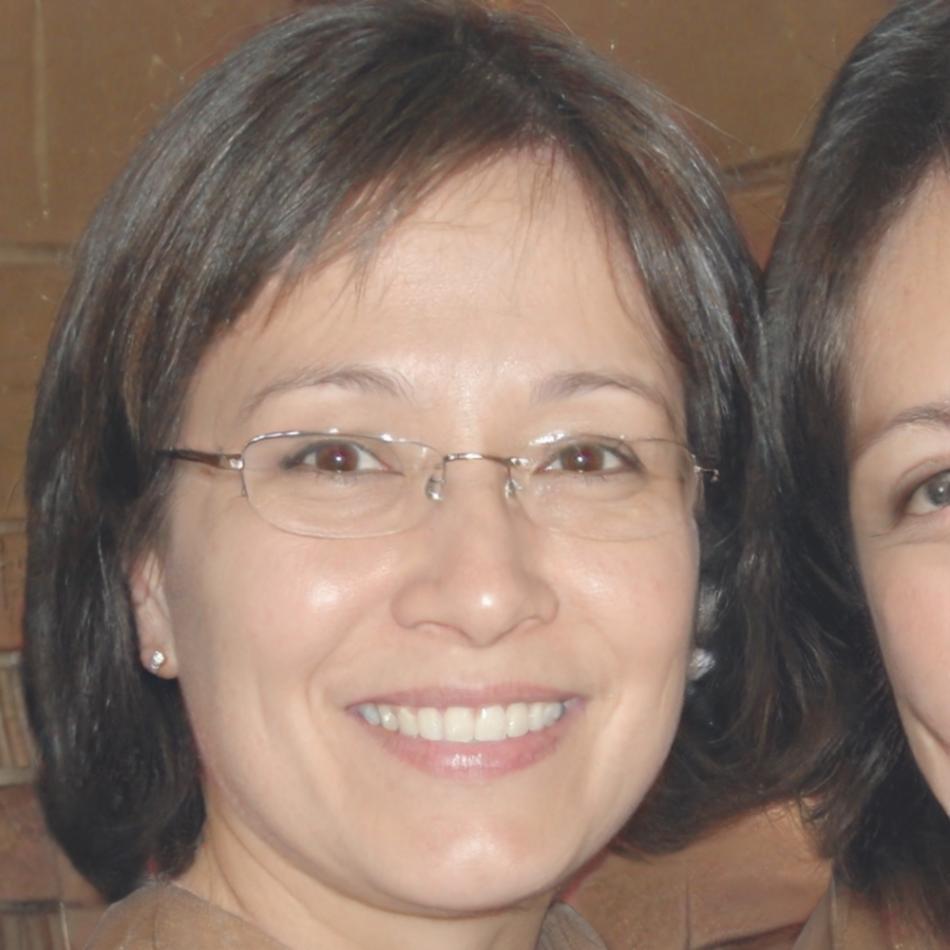
Liisa Järvinen
Environment Art Lead
Liisa worked on three AAA titles before joining us in 2024. She's particularly good at explaining optimization techniques — how to keep your polycount reasonable without sacrificing visual quality. Her students tend to have the cleanest topology.
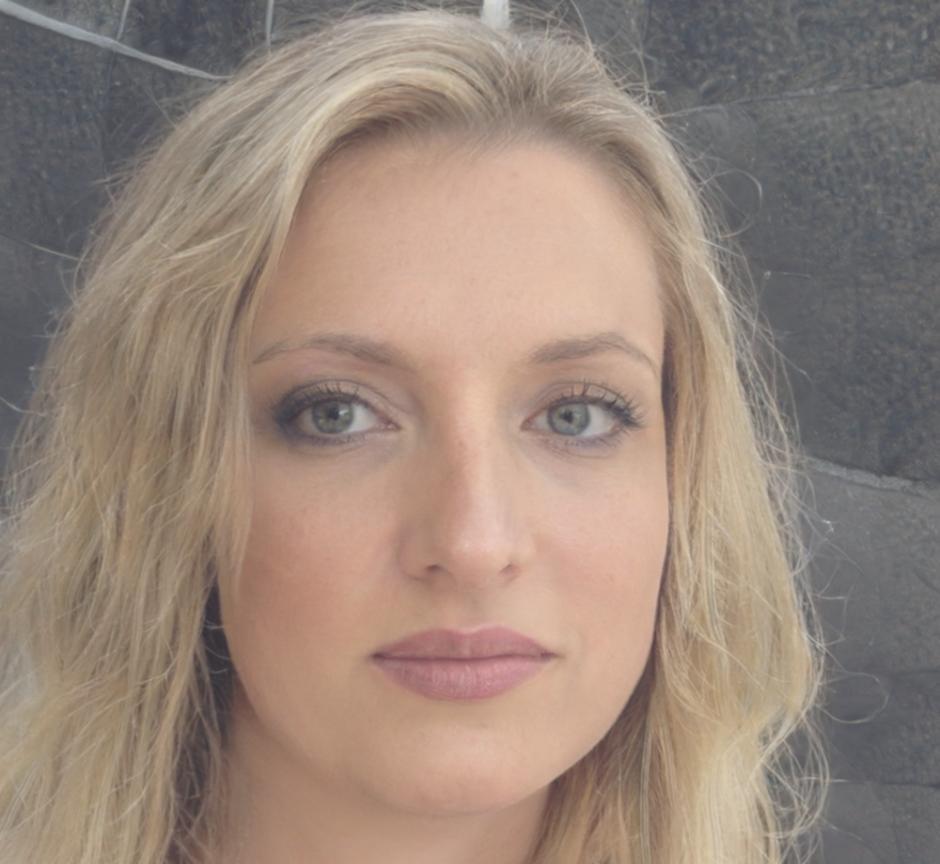
Astraea Voclain
Technical Art Specialist
Astraea spent six years doing VR development for an AR startup in Barcelona. She handles the more technical aspects of the program — shader creation, LOD systems, performance profiling. Her background in actual production environments shows in how she structures feedback.
How Projects Work Throughout the Program
You'll complete about fifteen projects over nine months. Early ones are guided with specific requirements. Later projects give you more creative freedom but higher technical expectations. Here's what that progression looks like in practice.
Basic Props
Create five simple hard surface objects following reference images. A crate, a barrel, basic furniture. The goal is getting comfortable with modeling tools and establishing clean workflow habits early.
- Model from orthographic reference
- Apply basic materials and textures
- Export for game engines at specified polycount
Character Accessory Set
Design and model wearable items for a game character — armor pieces, weapons, or gear. This introduces organic forms and the challenge of making pieces that work together visually.
- Create modular pieces that share visual style
- Bake high-poly details to game-ready meshes
- Build material variations in Substance Painter
Capstone Environment
Your main portfolio piece. Most students spend the final two months on this. You'll concept, model, texture, light, and present a complete scene optimized for real-time rendering in Unity or Unreal.
- Document your process with work-in-progress shots
- Present to industry professionals for feedback
- Write about technical decisions and challenges faced