Building AR/VR Talent Through Real Experience

We started Vortexil because the game industry needed something different. Not another theory-heavy program, but a place where students could actually build things that matter.

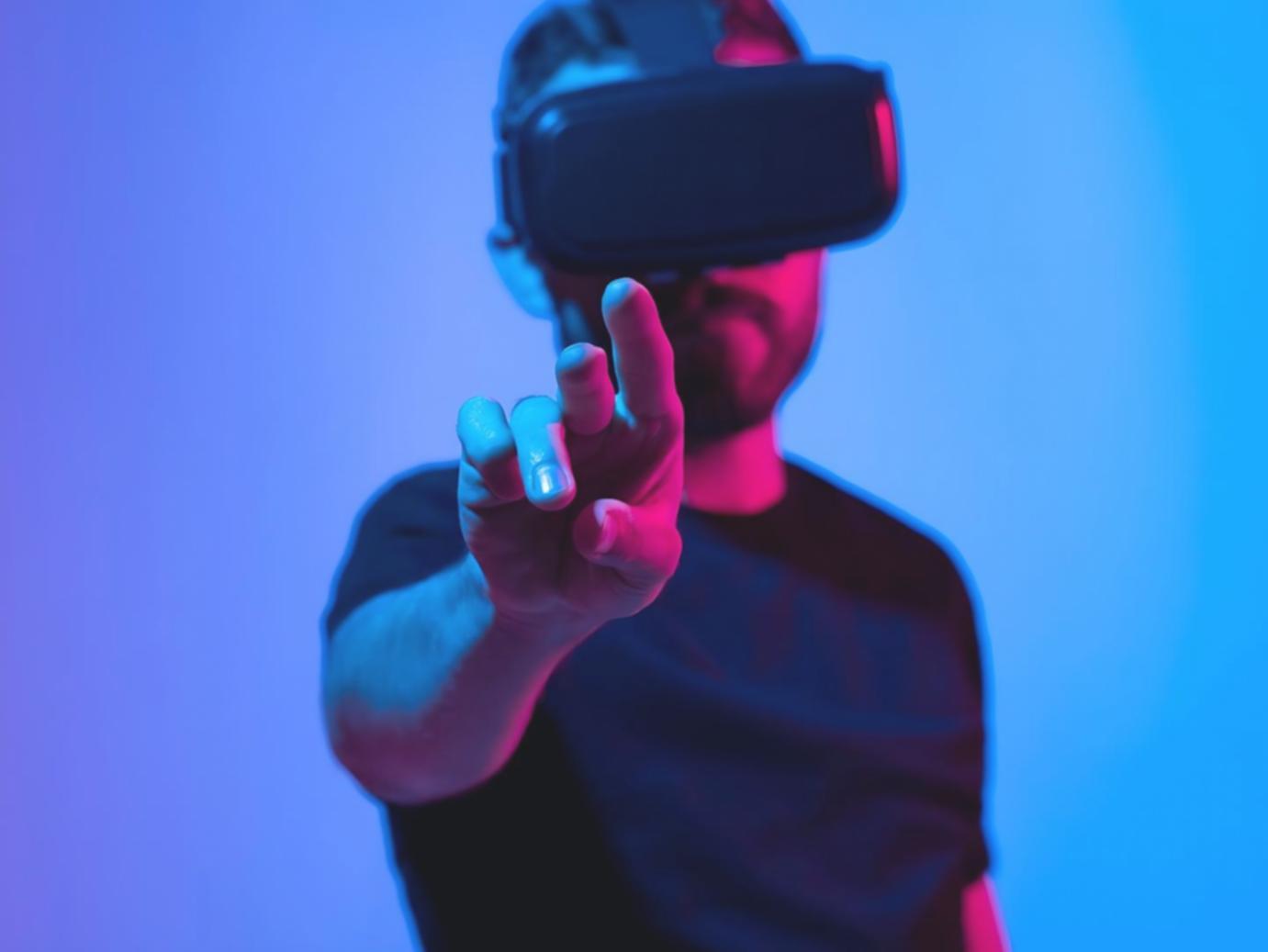
Students working on 3D modeling projects in modern learning environment
Advanced 3D modeling workspace showing professional game development tools

What Got Us Here

Back in 2019, a few of us were sitting in a Madrid café complaining about the same thing. Studios kept asking for people who could actually model for VR environments, but most graduates only knew the basics. The disconnect was frustrating.

So we started small. A workshop here, a weekend course there. People showed up because they wanted to learn the messy, real parts of game development that textbooks skip over. The parts where you're trying to optimize a model at 2am because the VR frame rate keeps dropping.

By 2022, we had outgrown three different spaces and had to make a choice. Either stay small and comfortable, or build something that could actually prepare people for the industry we knew.

We picked the harder option. Brought in artists who'd shipped actual titles. Built a curriculum around projects that mimicked real production pipelines. And yeah, we made plenty of mistakes along the way.

What matters is that our students end up working on games you've probably heard of. Not because we promise anything magical, but because they put in the hours and learned from people who've been there.

How We Actually Teach This Stuff

We structure everything around production scenarios you'll face in actual studios. Because reading about game development and doing it are completely different experiences.

Pipeline-First Thinking

You'll work with the same tools and constraints that professional teams use. Version control, asset management, optimization requirements. The unglamorous parts that actually matter when you're trying to ship a game.

Iteration Over Perfection

Most beginners spend weeks on a single model trying to make it perfect. We teach you to prototype fast, get feedback, and improve. That's how real development works when you have deadlines breathing down your neck.

Platform Constraints

VR and mobile AR have strict performance budgets. You'll learn to model beautiful assets that actually run smoothly on real hardware. Not just renders that look good but tank the frame rate.

Detailed view of 3D modeling workflow showing industry-standard techniques

Who's Teaching You

Our instructors have shipped games, missed deadlines, fixed impossible bugs, and learned what actually works. They're here because they like teaching, not because they couldn't make it in the industry.

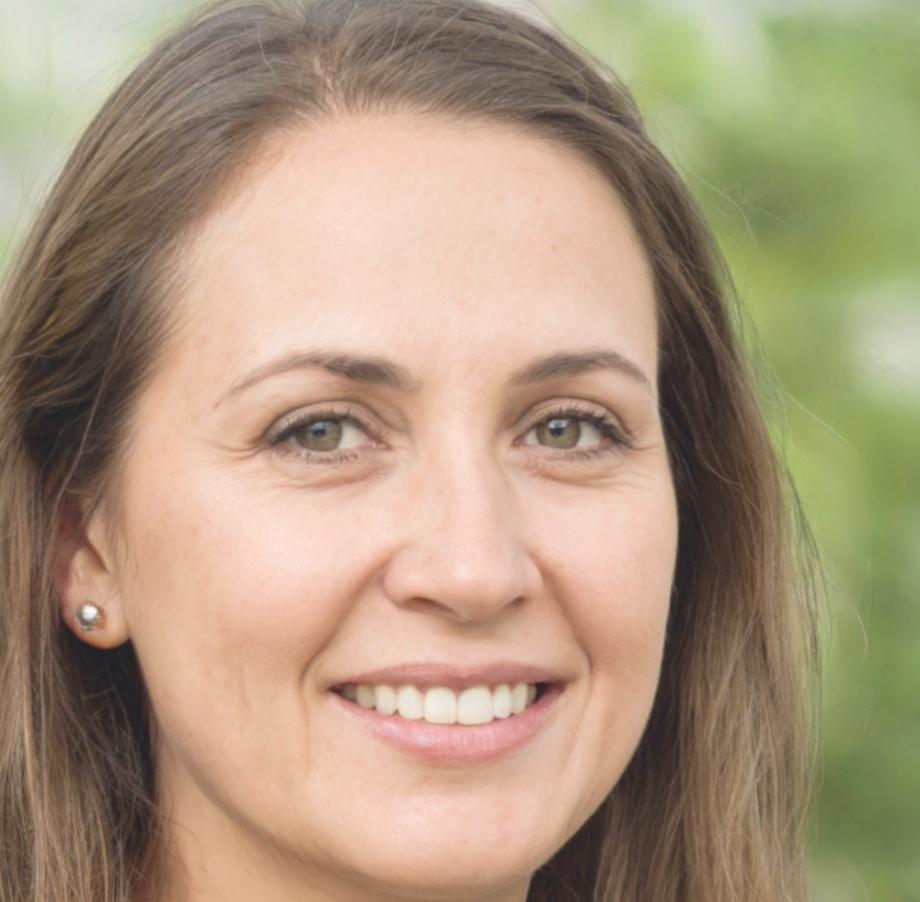
Portrait of Liisa Virtanen, Lead 3D Instructor at Vortexil

Liisa Virtanen

Lead 3D Instructor

Spent eight years at Nordic studios working on mobile VR titles before she got tired of explaining the same optimization tricks to every new hire. Now she just teaches them upfront. Her students tend to know their polygon budgets better than most senior artists.

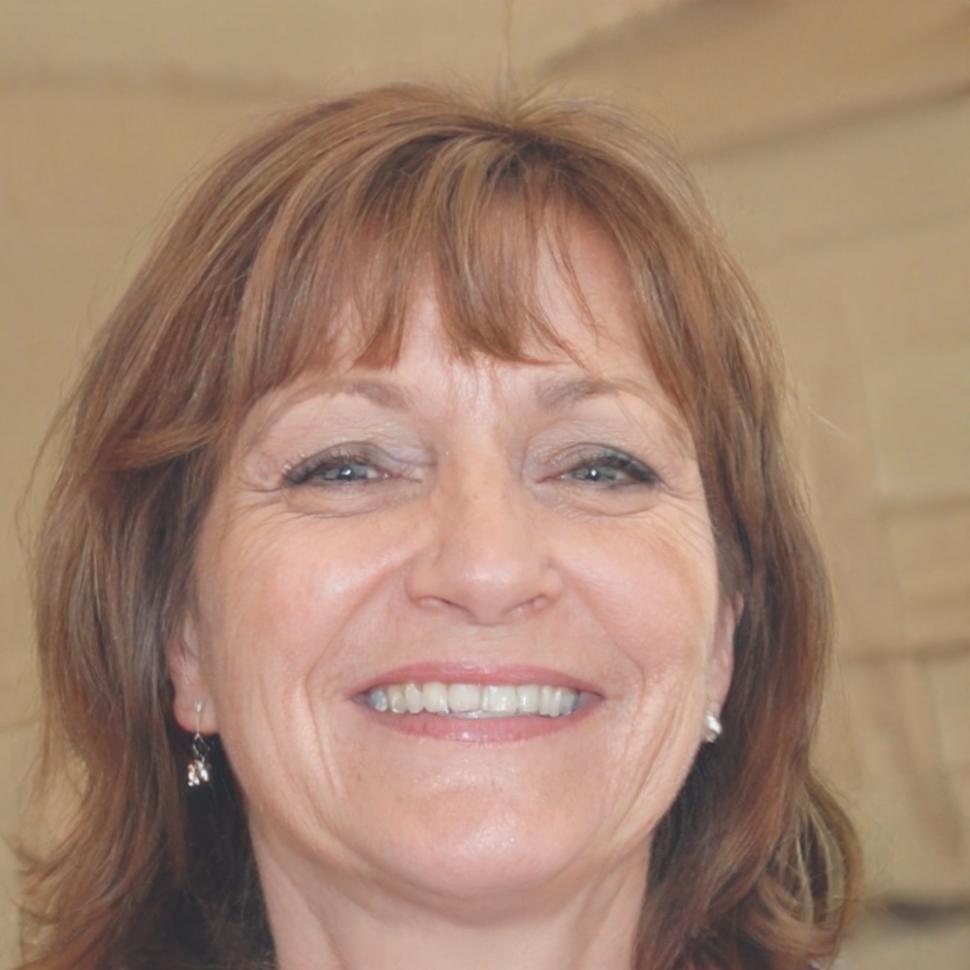
Portrait of Aisling O'Dwyer, Technical Art Director at Vortexil

Aisling O'Dwyer

Technical Art Director

Came from Dublin's indie scene where she wore every hat imaginable. Modeling, rigging, shaders, you name it. She teaches the technical bridge between art and engineering because someone has to make sure your beautiful models actually work in-engine.